What this marker is
Carnitine solves a transport problem. Long-chain fatty acids cannot cross the inner mitochondrial membrane on their own, and carnitine is the molecule that carries them across. Without it, fat cannot be used for energy regardless of how much is available.
The body makes carnitine from lysine and methionine, using vitamin C, vitamin B6, niacin and iron as cofactors. That synthesis pathway means a shortfall in any of those cofactors can limit carnitine production independently of intake.
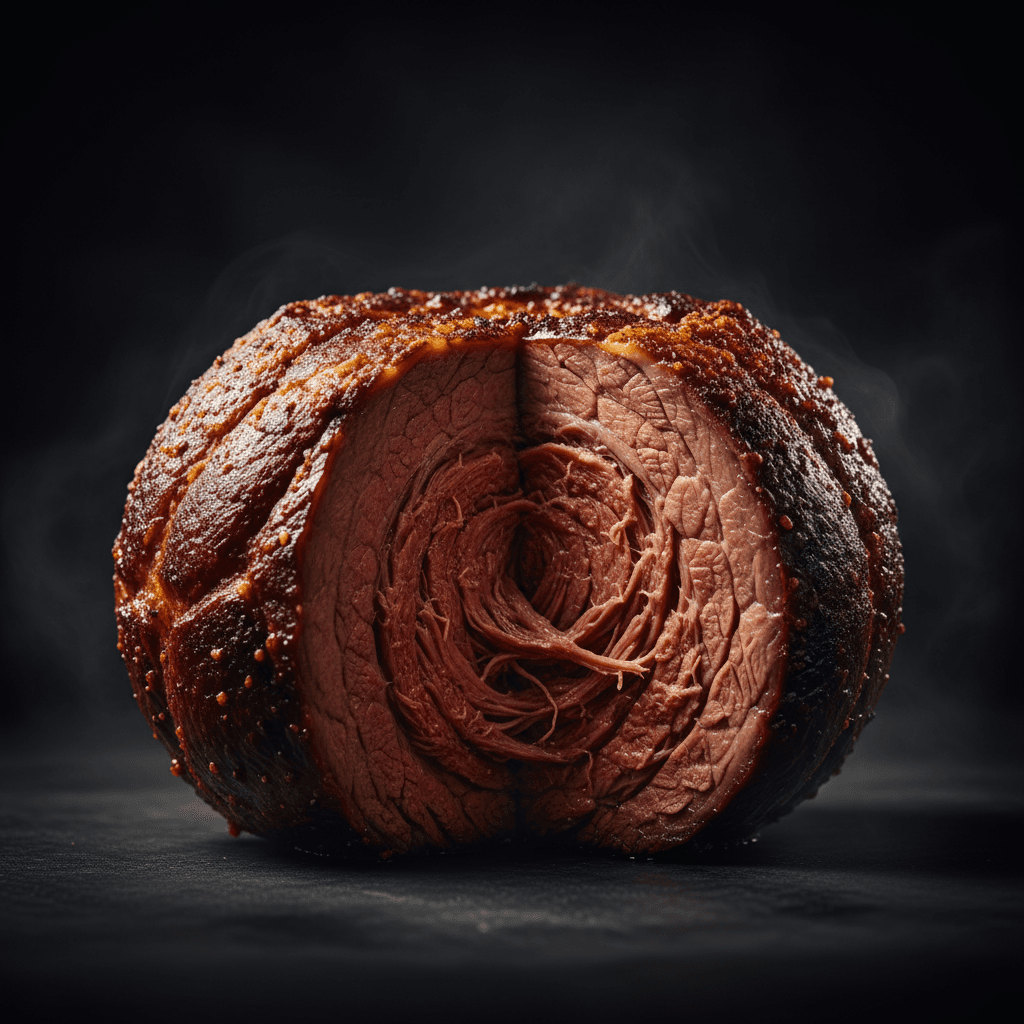
Dietary carnitine comes almost entirely from animal foods, with red meat by far the densest source. The name comes from the Latin for flesh.
If your result is low
Below 25 umol/L indicates low circulating carnitine. Because the function is fat transport for energy, the effect reported most often is fatigue, particularly during sustained or endurance effort where fat oxidation matters most.
Plant-based diets are the common context, since there is no meaningful plant source and the body has to rely entirely on synthesis. Vegans and long-term vegetarians typically run lower on this marker.
Impaired synthesis is the other route. Because iron and vitamin C are cofactors, a low carnitine result alongside low ferritin often reflects the same underlying problem.
If your result is in range
Between 25 and 80 umol/L your carnitine sits inside the reference range for this panel.
If you eat little or no animal food and your result is in range, synthesis is keeping up. That is worth knowing, since it is not guaranteed and depends on the cofactors being available.
If your result is high
Above 80 umol/L is uncommon from diet alone and usually reflects supplementation.
One consideration with sustained high carnitine intake is that gut bacteria convert it to TMA, which the liver oxidises to TMAO. The relevance of circulating TMAO to cardiovascular outcomes is actively debated rather than settled, so this is a reason to avoid unnecessary high doses rather than a reason for alarm.
If you are supplementing and your result is above the range, reducing the dose is reasonable. Review it with your practitioner alongside the rest of your picture.
Why the Western lifestyle moves it
The direction here runs opposite to most markers on this panel. Western diets are generally rich in the red meat that supplies carnitine, so a low result usually reflects a deliberate move away from that pattern rather than the pattern itself.
Where the Western pattern does contribute is through the synthesis route: poor gut health reduces absorption, and shortfalls in iron or vitamin C limit the body's ability to make its own.
What to eat
Grass-fed red meat two to three times weekly is by a wide margin the richest dietary source. Beef, lamb and bison all qualify.
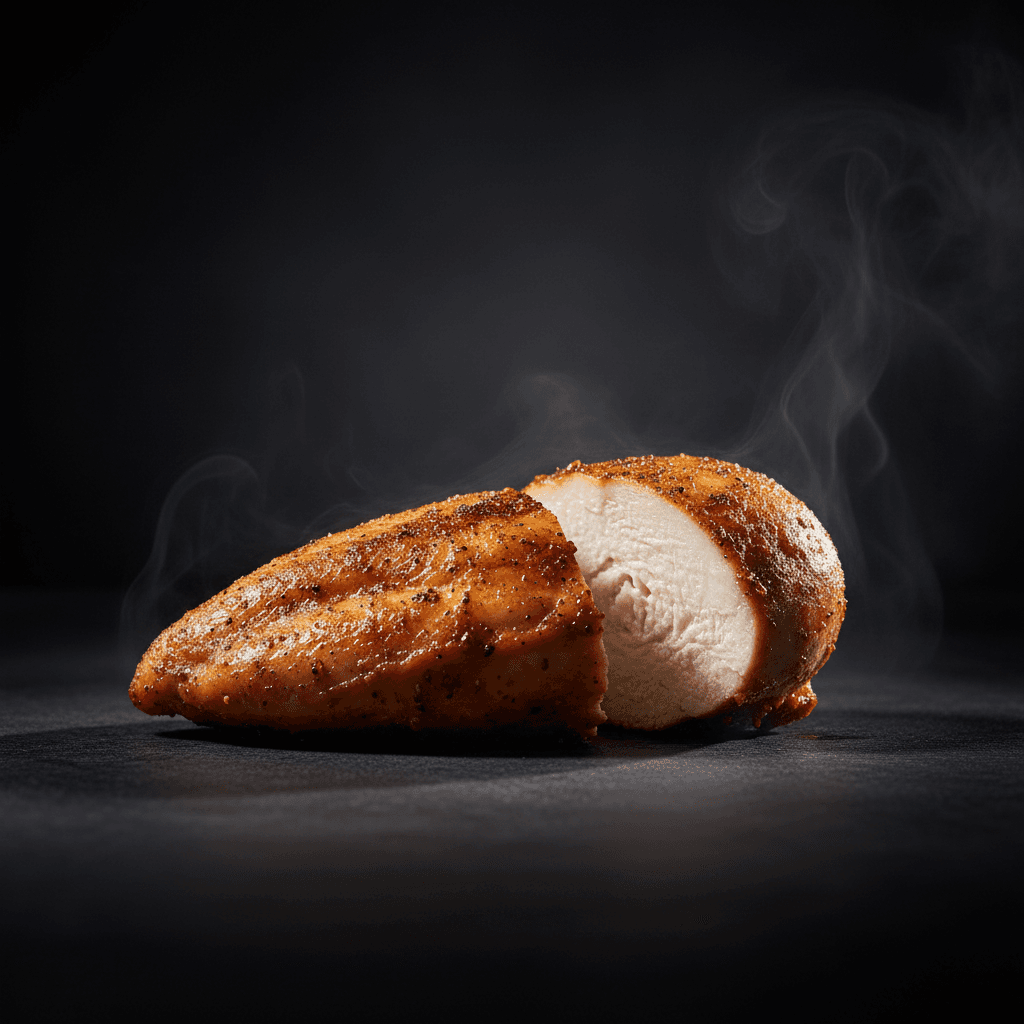
Wild-caught fish, chicken and full-fat dairy supply smaller amounts.
For synthesis, ensure adequate lysine and methionine from complete proteins, and adequate vitamin C and iron, since both are required cofactors.
Supplement forms and doses
Acetyl-L-carnitine at 500 to 1,500 mg daily is the form that crosses into the brain, so it is the one used where cognitive support is the goal alongside energy.
L-carnitine L-tartrate at 1 to 2 g daily is the form used for exercise performance and recovery.
Propionyl-L-carnitine is used for circulation. Take any of them on an empty stomach for better absorption.