What this marker is
Arginine is the direct substrate for nitric oxide, the molecule that signals blood vessels to relax and widen. That single function connects it to blood pressure, circulation, exercise performance and erectile function.
It also feeds the urea cycle, which is how the body disposes of nitrogen safely, and it takes part in wound healing and immune function.
It is conditionally essential. Ordinary requirements are met by synthesis and diet together, but demand rises during injury, illness and periods of rapid growth beyond what synthesis covers.
If your result is low
Below 59 umol/L indicates low arginine. Reduced nitric oxide availability is the consequence that matters, showing up as poor circulation, reduced exercise capacity and slower recovery.
Demand rises with illness, injury and surgery, so a low result often reflects consumption rather than intake.
ADMA, an inhibitor of the enzyme that makes nitric oxide from arginine, competes with it directly. That means nitric oxide production can be limited even when arginine looks adequate, which is why the arginine number alone does not settle the question.
If your result is in range
Between 59 and 180 umol/L your arginine sits inside the reference range for this panel.
Read it alongside citrulline. The two sit on the same pathway, and citrulline converts to arginine in the kidneys, so the pair describes the nitric oxide route better than either does alone.
If your result is high
Above 180 umol/L usually reflects supplementation, since arginine is a common ingredient in pre-workout products, often at gram doses.
High oral arginine intake commonly causes digestive upset, which is one of the reasons citrulline has largely replaced it in that role.
If you have a history of cold sores, note that arginine and lysine compete, and high arginine intake is associated with recurrence in susceptible people. Discuss a high result with your practitioner if you take medication affecting blood pressure.
Why the Western lifestyle moves it
Sedentary patterns reduce the demand signal that keeps the nitric oxide pathway responsive, and poor circulation becomes self-reinforcing over time.
Chronic stress and inflammation raise ADMA, the competing inhibitor, so the Western pattern reduces nitric oxide output through a route that raising arginine intake does not fix.
What to eat
Pumpkin seeds, turkey, chicken, pork, soybeans, peanuts and spirulina are the direct dietary sources.
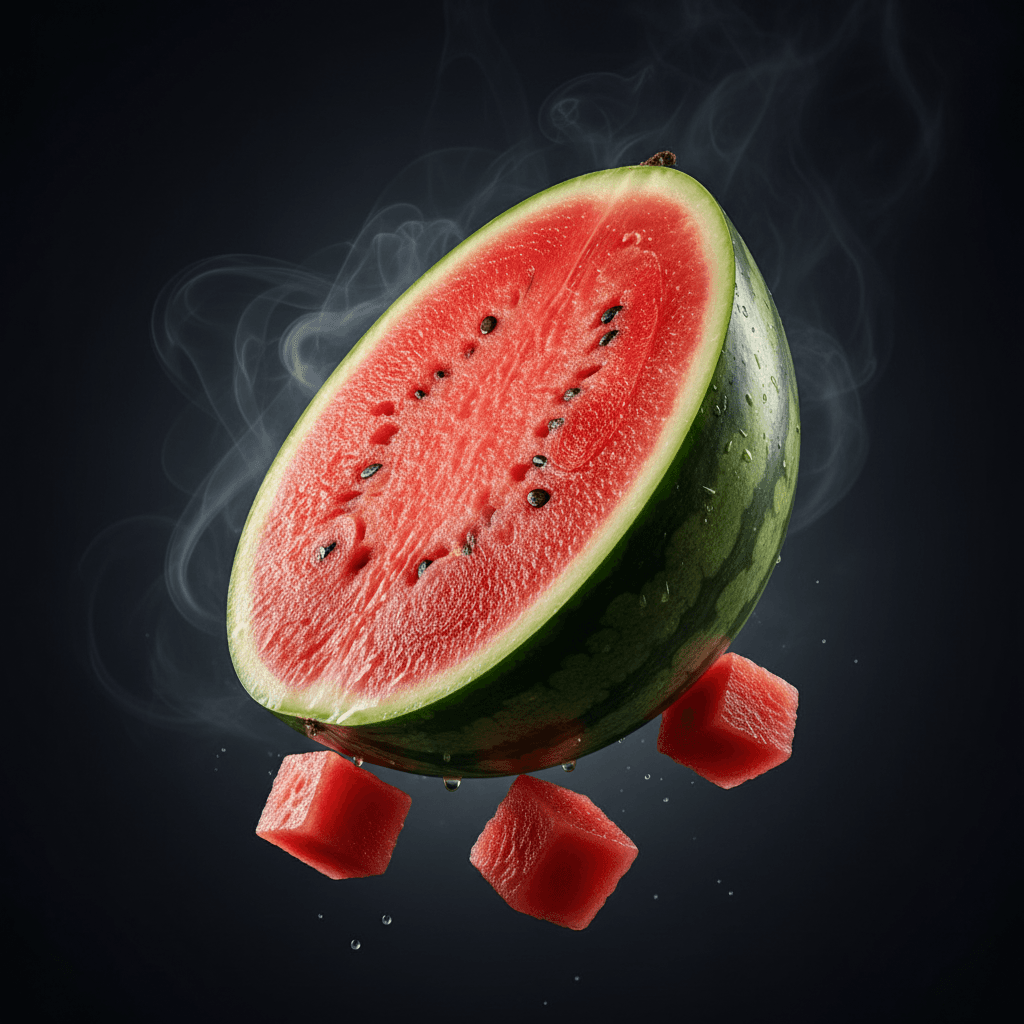
Watermelon is worth naming separately because it is rich in citrulline, which converts to arginine more reliably than dietary arginine survives first-pass metabolism.
Beetroot and dark leafy greens support nitric oxide through the separate nitrate pathway, which does not depend on arginine at all.
Supplement forms and doses
L-citrulline at 3 to 6 g daily is generally the better choice, because it raises plasma arginine more effectively than arginine itself and causes far less digestive upset.
L-arginine at 3 to 6 g daily in divided doses remains an option where citrulline is not available.
Pine bark extract at 100 to 200 mg supports the enzyme that produces nitric oxide. Vitamin C at 500 mg protects nitric oxide from oxidative degradation once produced.