What this marker is
Citrulline sits one step upstream of arginine on the nitric oxide pathway. The kidneys convert it to arginine, and that indirect route turns out to be more effective at raising plasma arginine than taking arginine directly, because citrulline bypasses the gut and liver metabolism that breaks down much of an oral arginine dose.
It is not used to build proteins. It circulates free and functions as an intermediate, both in nitric oxide production and in the urea cycle that clears nitrogen.
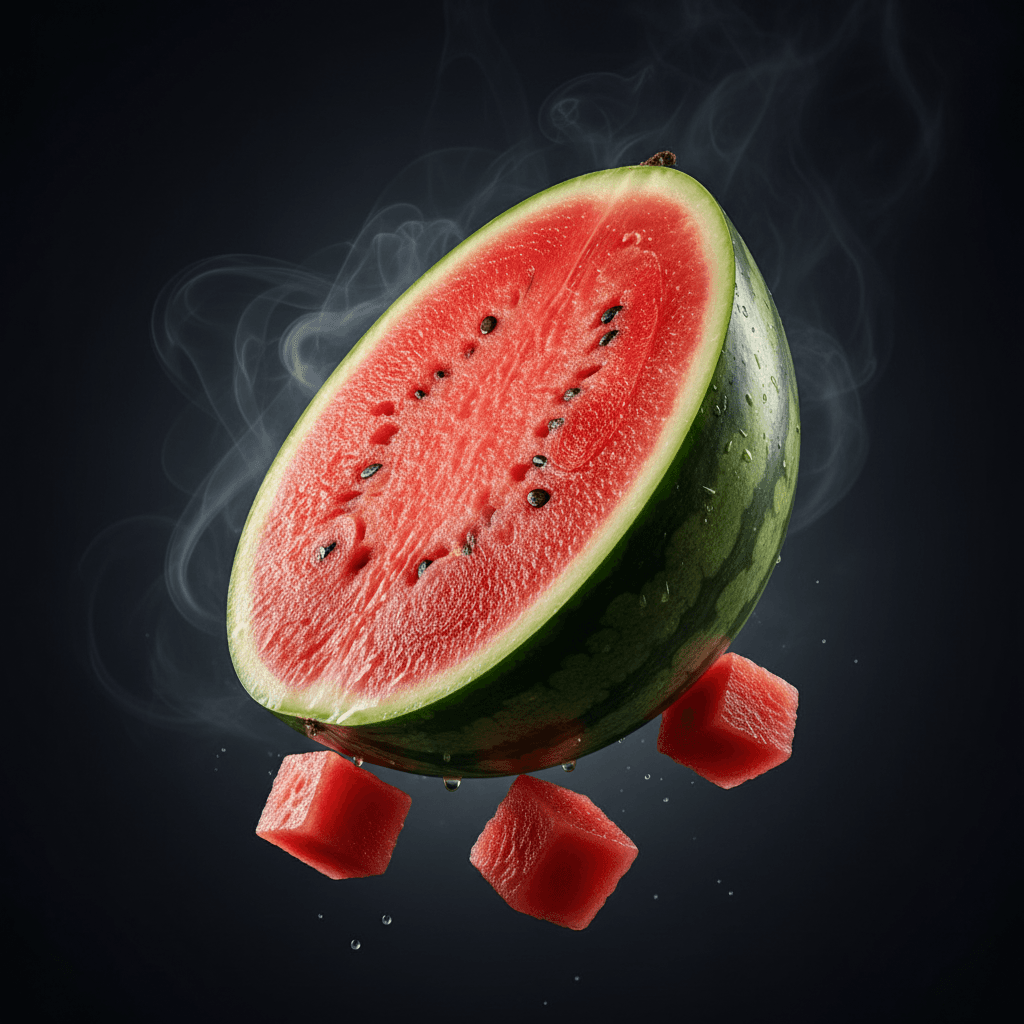
The name comes from Citrullus, the watermelon genus, which is where it was first isolated and still the richest food source.
If your result is low
Below 17 umol/L indicates low citrulline. The practical consequence is reduced capacity to sustain nitric oxide production, which shows up as poor blood flow and reduced exercise tolerance.
Gut health matters here in a specific way, because the small intestine produces most of the body's citrulline. Plasma citrulline is used clinically as a marker of small intestinal mass, so a low result can reflect reduced gut function rather than diet.
Kidney function matters on the other side, since the conversion of citrulline to arginine happens there.
If your result is in range
Between 17 and 96 umol/L your citrulline sits inside the reference range for this panel.
Read it with arginine. The two describe one pathway, and a low arginine result alongside adequate citrulline points at the conversion step rather than at supply.
If your result is high
Above 96 umol/L usually reflects supplementation, since citrulline malate is a common pre-workout ingredient at doses of 6 to 8 g.
Citrulline is well tolerated at those doses and does not cause the digestive upset that equivalent arginine doses do.
A genuinely high result in someone not supplementing is worth reading alongside kidney function, since impaired conversion raises circulating citrulline. Raise that with your practitioner.
Why the Western lifestyle moves it
Inactivity is the main Western factor. The nitric oxide pathway is demand-driven, and regular aerobic and resistance exercise is what keeps it responsive.
Gut inflammation from processed food and alcohol reduces the intestinal tissue that produces citrulline in the first place, which lowers the result through a route unrelated to what you eat directly.
What to eat
Watermelon is the richest natural source, and the rind carries more than the flesh.
Cucumbers, pumpkin, squash and other gourds contribute smaller amounts. There is no dense everyday source comparable to watermelon.
Nitrate-rich foods such as beetroot, rocket and spinach support nitric oxide through a separate pathway, so they complement rather than duplicate citrulline.
Supplement forms and doses
L-citrulline at 3 to 6 g daily, or citrulline malate at 6 to 8 g taken before exercise. Citrulline malate doses are larger because roughly half the weight is malate.
It raises plasma arginine more reliably than arginine supplementation does, and it is the more sensible default of the two for sustained nitric oxide support.
Beetroot extract or juice adds nitrate-pathway support alongside. Vitamin C at 500 mg protects nitric oxide from oxidation once it has been made.