What this marker is
This is a derived marker rather than a measured one. It compares your copper result against your zinc result, and it carries information that neither number holds on its own.
Copper and zinc compete for the same intestinal transport, so raising one lowers the absorption of the other. Both are essential. Both sit in the antioxidant enzyme superoxide dismutase, in immune function and in connective tissue repair. What matters for those roles is the balance between them rather than the absolute amount of either.
Because the two move in opposite directions, a person can have both results inside their individual reference ranges and still have a ratio well outside its own.
On this panel the ratio reads as in range between 0.85 and 2.5, with 1.3 to 2 treated as the optimal band inside that. The zinc figure is scaled before the division, so the ratio is not simply your two printed results divided by each other.
If your result is low
A ratio below the reference range means zinc is high relative to copper. In practice this is usually zinc excess rather than copper deficiency, and long-running zinc supplementation is the common cause.
Sustained high zinc intake induces metallothionein in the gut lining, which traps copper and blocks its absorption. Continued long enough, that produces genuine copper deficiency, which affects iron handling and the nervous system.
Review your total zinc intake including multivitamins. Identify whether the pattern is zinc excess or copper insufficiency with your practitioner before changing either, since both minerals are essential in the right amount.
If your result is in range
A ratio between 0.85 and 2.5 reads as in range, and 1.3 to 2 is the optimal band inside it. That suggests the two minerals are in balance, which supports immune function, the antioxidant enzymes that depend on both, and connective tissue repair.
A varied diet with adequate protein, nuts, seeds and whole grains generally holds it there. High-dose single-mineral supplements are the thing most likely to disturb it.
If your result is high
A ratio above the reference range means copper is high relative to zinc. This is the more common direction, and it is associated with inflammatory tone, since copper rises as an acute phase reactant.
Sources worth checking are copper plumbing, copper cookware, some multivitamins, and occupational exposure. Oestrogen, including from hormonal contraception, raises circulating copper.
Persistent elevation is worth reviewing alongside ceruloplasmin and liver function with your practitioner rather than treating as a mineral problem in isolation.
Why the Western lifestyle moves it
Stress and environmental exposure tend to raise copper relative to zinc, while the Western diet supplies less zinc than it used to through refined grains and depleted soil.
The two effects compound. Chronic stress raises urinary zinc loss at the same time as copper exposure from plumbing and supplementation stays constant, which moves the ratio upward without either intake changing.
What to eat
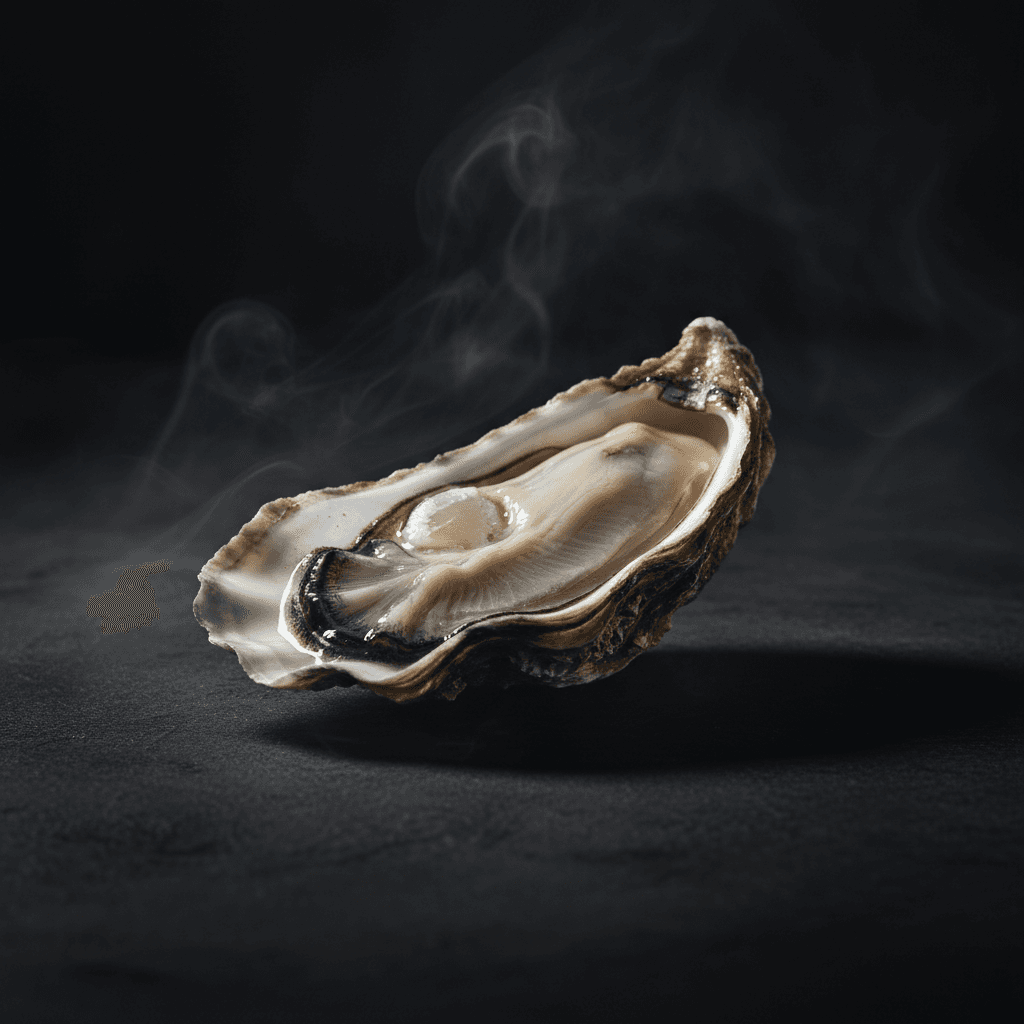
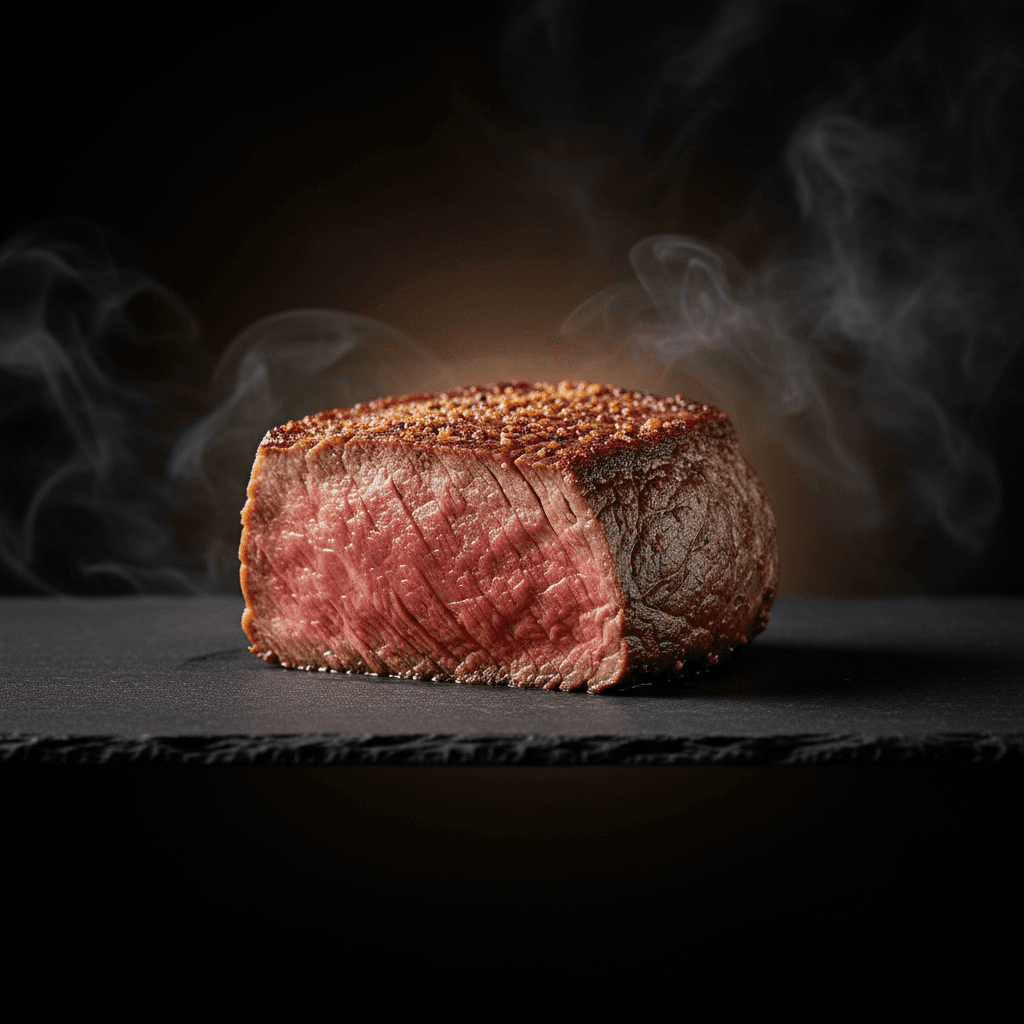
To raise zinc relative to copper: oysters, red meat, pumpkin seeds and legumes.
Cruciferous vegetables, garlic and bitter greens support liver function, which handles copper clearance.
If the ratio is copper-dominant, moderate the high-copper foods, which are liver, shellfish, dark chocolate and cashews. None of these need eliminating.
Supplement forms and doses
Zinc bisglycinate at 15 to 30 mg daily is the usual approach where the ratio is copper-dominant.
If you supplement zinc long term, add copper at 1 to 2 mg only when copper is also low. Adding it routinely defeats the purpose.
Molybdenum at 150 to 300 mcg daily takes part in copper metabolism. Discuss any of this with your practitioner before starting, since the right move depends on which mineral is driving the imbalance.