What this marker is
The kit measures zinc in whole blood, against a range of 35 to 91 ug/gHb. Add the Longevity Panel and the same sample is read again inside red blood cells, against 38 to 98 ug/gHb. Check which figure your report quotes before comparing it to anything.
Both are steadier than the serum zinc a standard panel reports. Serum zinc falls during infection and inflammation regardless of stores, and it drops after a meal, so it is a poor guide to status. The cellular fraction is less affected by either.
Zinc is a cofactor for hundreds of enzymes and a structural component of the zinc finger proteins that bind DNA. It is required for immune cell function, wound healing, testosterone synthesis, taste perception and the antioxidant enzyme superoxide dismutase.
The body has no dedicated zinc store to draw on. Unlike iron, which banks in ferritin, zinc has to arrive regularly from food, so intake over recent months shows up in the result rather than being buffered by a reserve.
If your result is low
Below 35 ug/gHb in whole blood, or below 38 ug/gHb in red cells, indicates depleted zinc. Frequently reported effects include slow wound healing, more frequent infections, reduced sense of taste or smell, hair shedding and skin problems.
Absorption is the usual constraint rather than intake. Phytates in grains and legumes bind zinc and reduce uptake, which is why plant-based diets need a higher intake for the same absorbed amount. Soaking, sprouting and fermenting reduce phytate and improve it.
Losses rise with heavy sweating, alcohol intake and gastrointestinal conditions.
If your result is in range
Between 35 and 91 ug/gHb in whole blood, or 38 to 98 ug/gHb in red cells, your zinc sits inside the reference range for this panel.
Zinc and copper compete for the same absorption pathway, so a result in range is best read alongside your copper result rather than on its own.
If your result is high
Above 91 ug/gHb in whole blood, or above 98 ug/gHb in red cells, usually reflects supplementation, often at doses taken for immune support and then continued for longer than intended.
The consequence that matters is copper. Sustained high zinc intake induces metallothionein in the gut lining, which binds copper and blocks its absorption, so long-term high-dose zinc can produce copper deficiency.
If you are supplementing zinc long term, review the dose and check your copper result alongside it.
Why the Western lifestyle moves it
Refined grains lose zinc during milling, and soil zinc has declined under intensive agriculture, so intake has fallen from both the processing and the growing end.
Chronic stress raises urinary zinc loss. Alcohol both reduces absorption and increases excretion, so a Western drinking pattern works against this marker from two directions at once.
What to eat
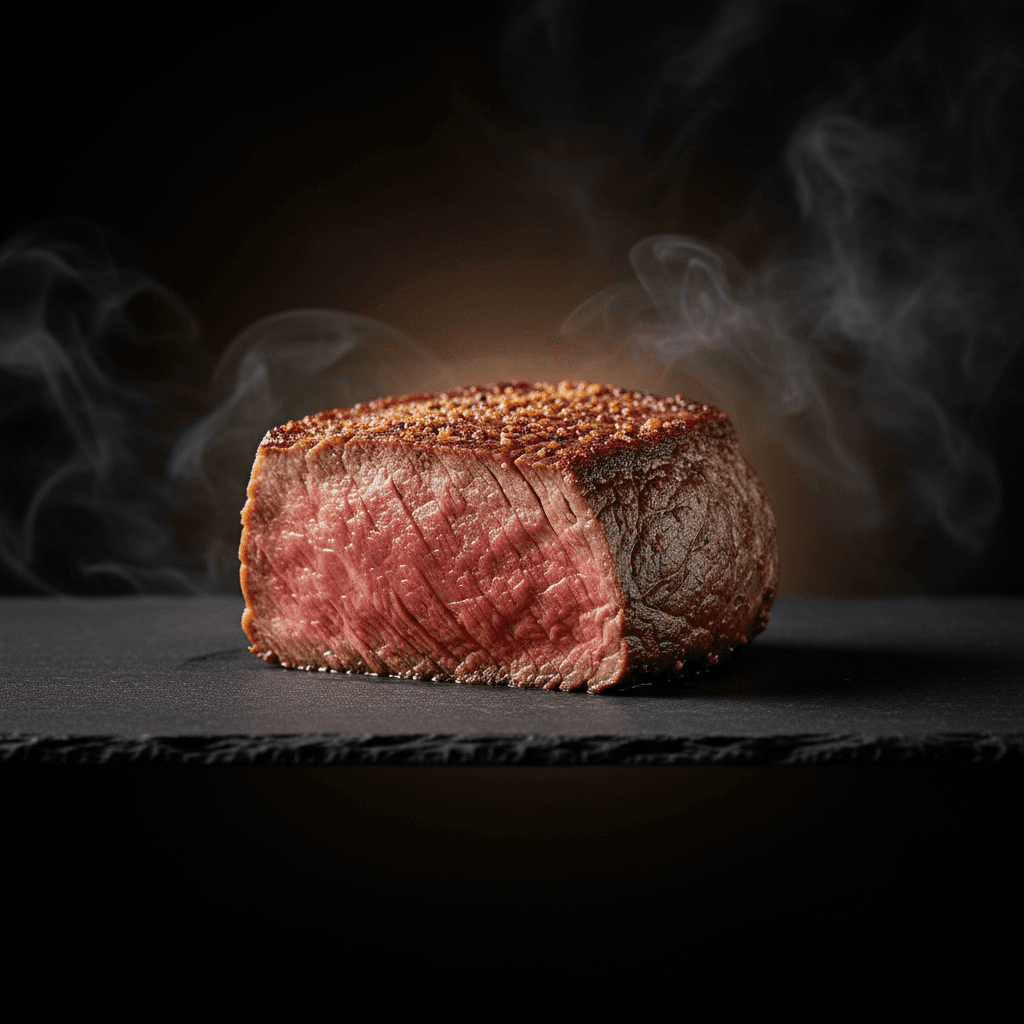
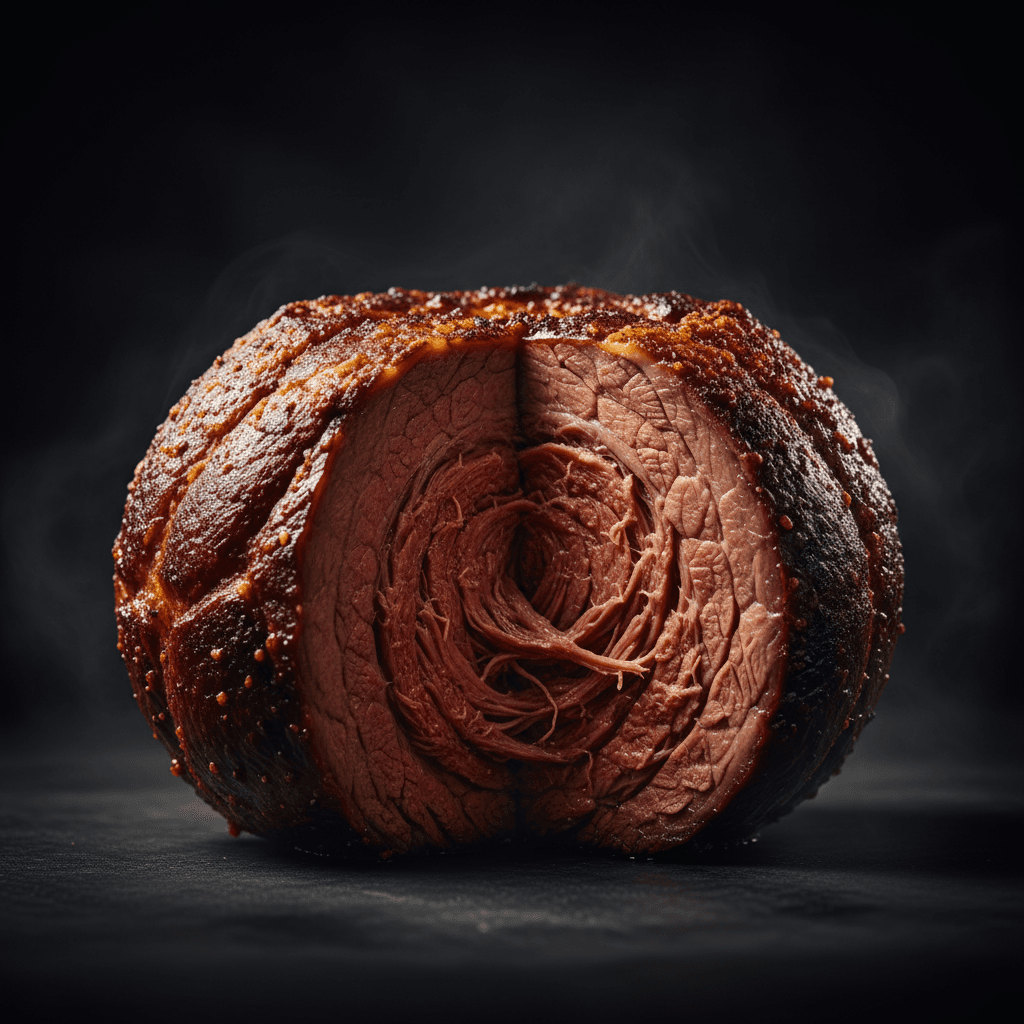
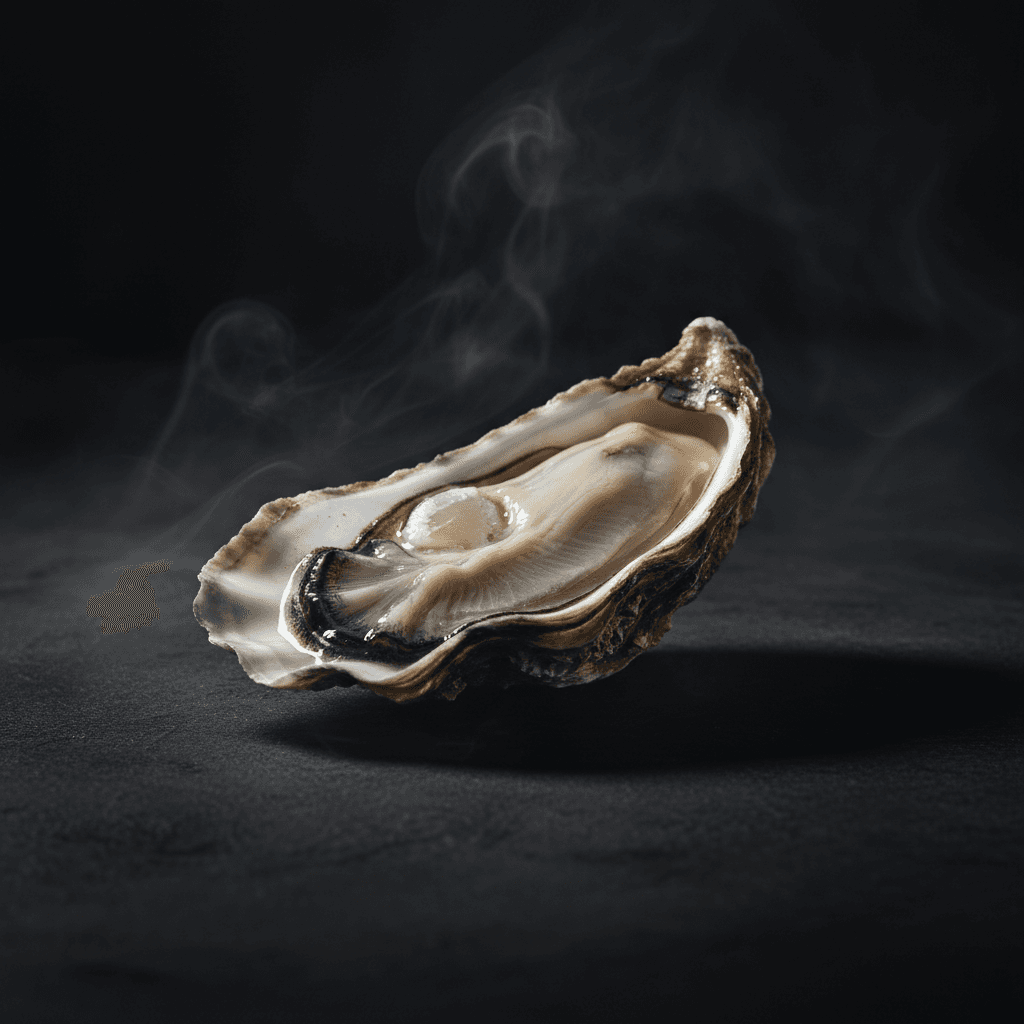
Oysters are the densest source by a wide margin. Red meat, particularly beef and lamb, is the reliable everyday one.
Pumpkin seeds, hemp seeds, cashews and legumes are the main plant sources. Soak or sprout them to reduce phytate.
Shellfish, eggs and hard cheeses contribute smaller amounts.
Supplement forms and doses
Zinc bisglycinate and zinc picolinate absorb well and are gentle on an empty stomach. Zinc oxide is poorly absorbed.
Doses of 15 to 30 mg daily are the usual range for correcting a low result. Take it away from meals high in phytate, and away from iron and calcium supplements.
If you take zinc above 25 mg daily for more than a few months, copper needs to be monitored, and 1 to 2 mg of copper is often added to offset the effect on absorption.