What this marker is
Glutamine is the most abundant free amino acid in the body. It is classed as conditionally essential, which means the body normally makes enough but cannot keep up during illness, injury, surgery or heavy training.
Its distinguishing feature is who consumes it. The cells lining the small intestine use glutamine as their preferred fuel rather than glucose, and rapidly dividing immune cells do the same. When demand rises, those tissues draw on the pool first.
It also carries nitrogen safely between tissues and takes part in acid-base balance, which is why it sits at the centre of so many metabolic pathways rather than serving one function.
If your result is low
Below 320 umol/L indicates a depleted pool. Because muscle is the main store, sustained low glutamine is often accompanied by muscle breakdown as the body mobilises the reserve.
The usual drivers are demand rather than intake: prolonged intense training, illness, injury, surgery and chronic gut inflammation all draw the pool down faster than synthesis replaces it.
Because gut lining cells depend on it, a sustained shortfall is associated with reduced gut barrier integrity, which then feeds back as more inflammation and more demand.
If your result is in range
Between 320 and 1100 umol/L your glutamine sits inside the reference range for this panel.
The reference range is wide because glutamine moves with recent protein intake, training load and illness. A single result reflects a moment in a system that turns over quickly.
If your result is high
Above 1100 umol/L is uncommon. Recent supplementation is the most likely explanation, particularly at the higher doses used in gut protocols.
Because glutamine carries nitrogen, a genuinely high result in someone not supplementing is worth interpreting alongside liver and kidney function, which are the systems that handle nitrogen disposal.
If you supplement and your result is high, reducing the dose is reasonable. Discuss a high result without an obvious cause with your practitioner.
Why the Western lifestyle moves it
Stress, intense exercise and illness deplete glutamine faster than a sedentary, unstressed body would. The Western pattern supplies chronic low-grade versions of all three.
Gut irritants raise demand from the other direction. Excess alcohol, frequent NSAID use and highly processed food all increase the repair burden on the intestinal lining, and that repair runs on glutamine.
What to eat
Bone broth is the traditional source and supplies glutamine alongside the other amino acids involved in gut lining repair.
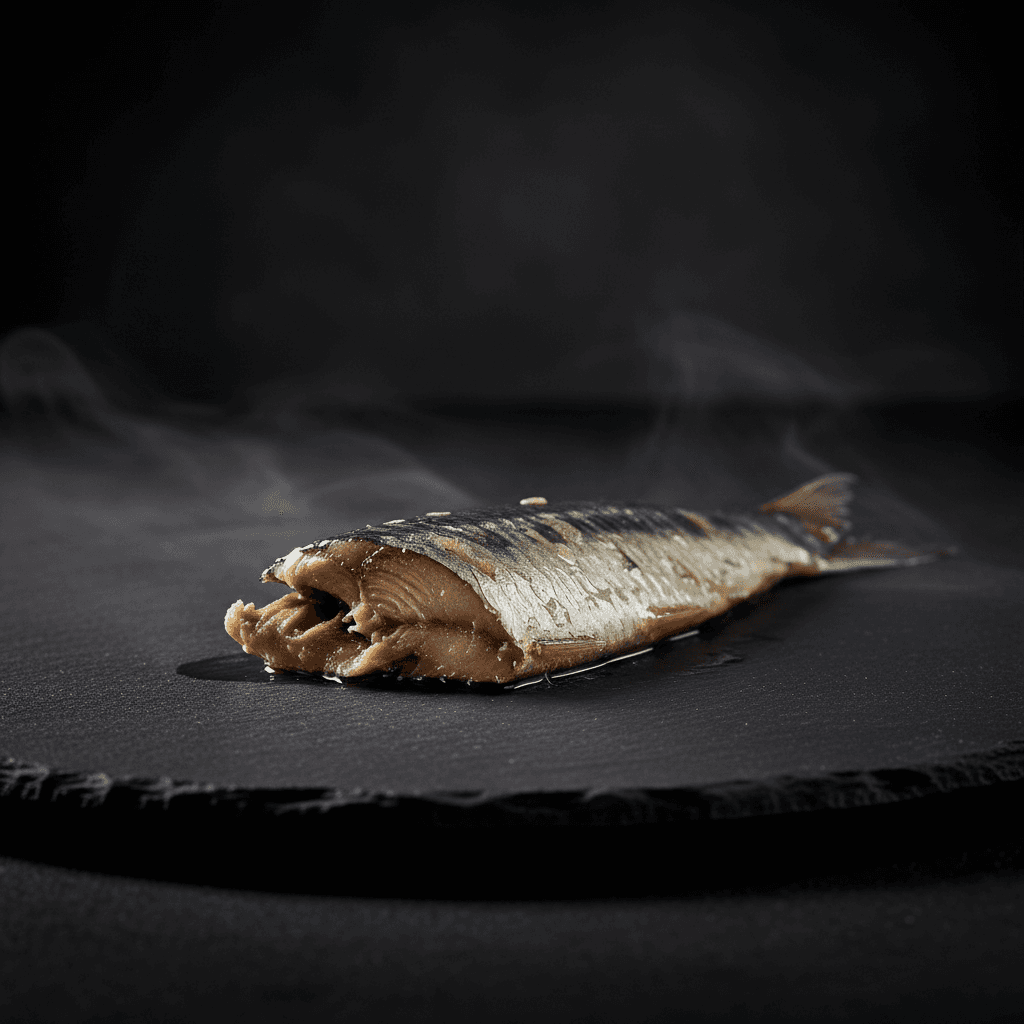
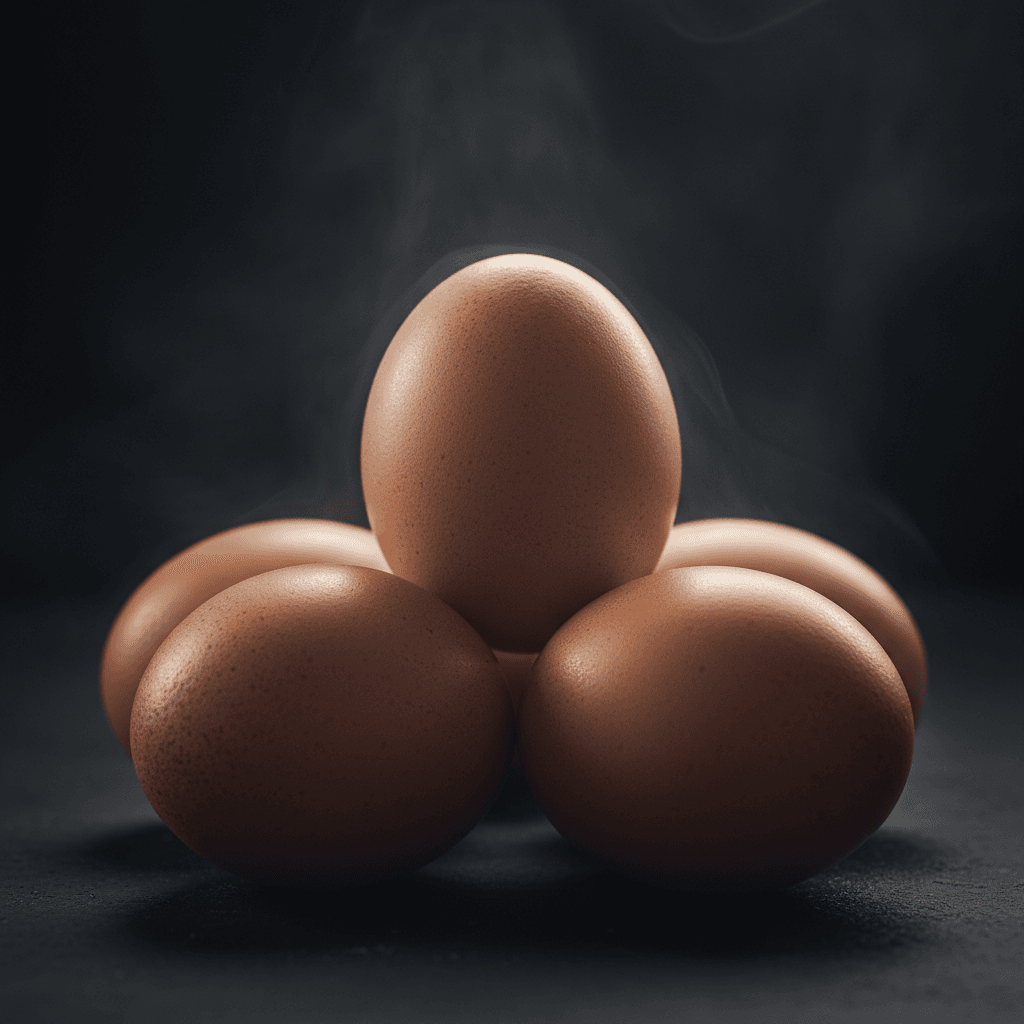
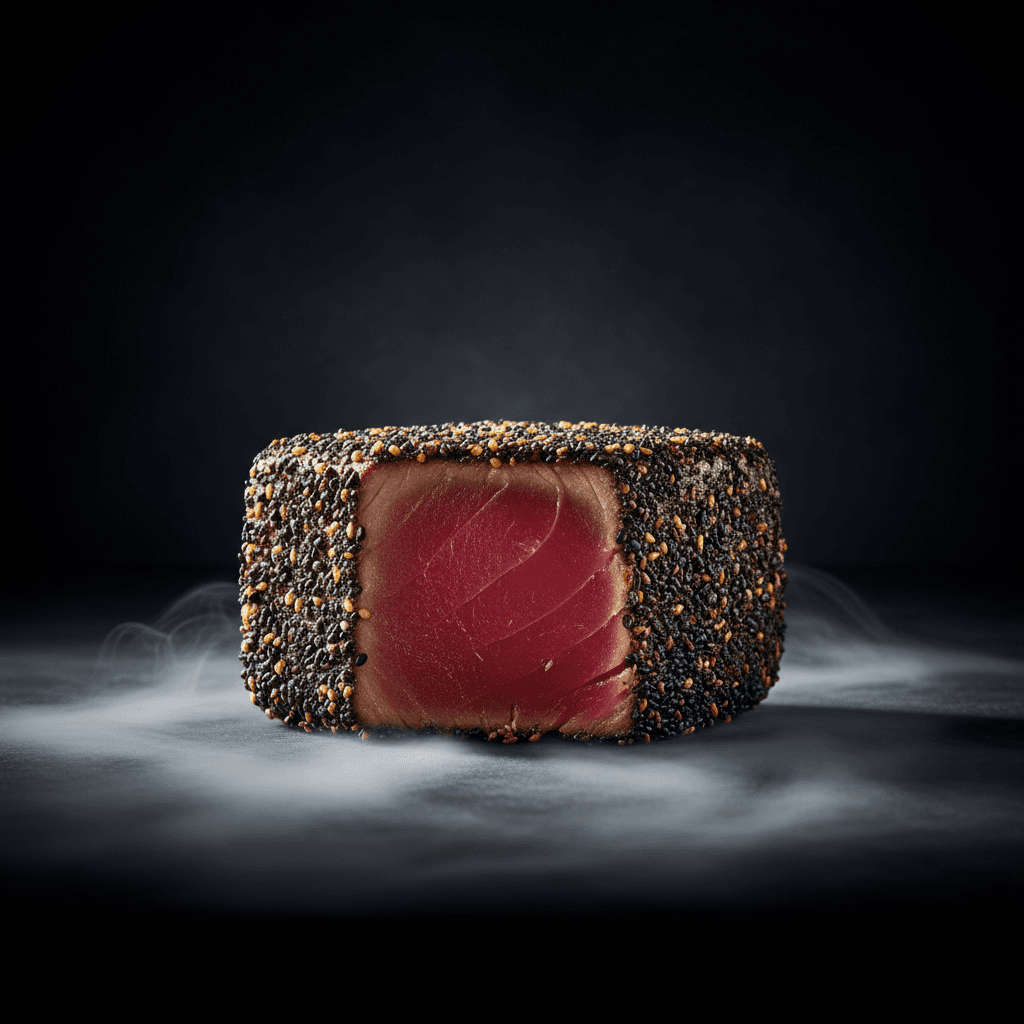
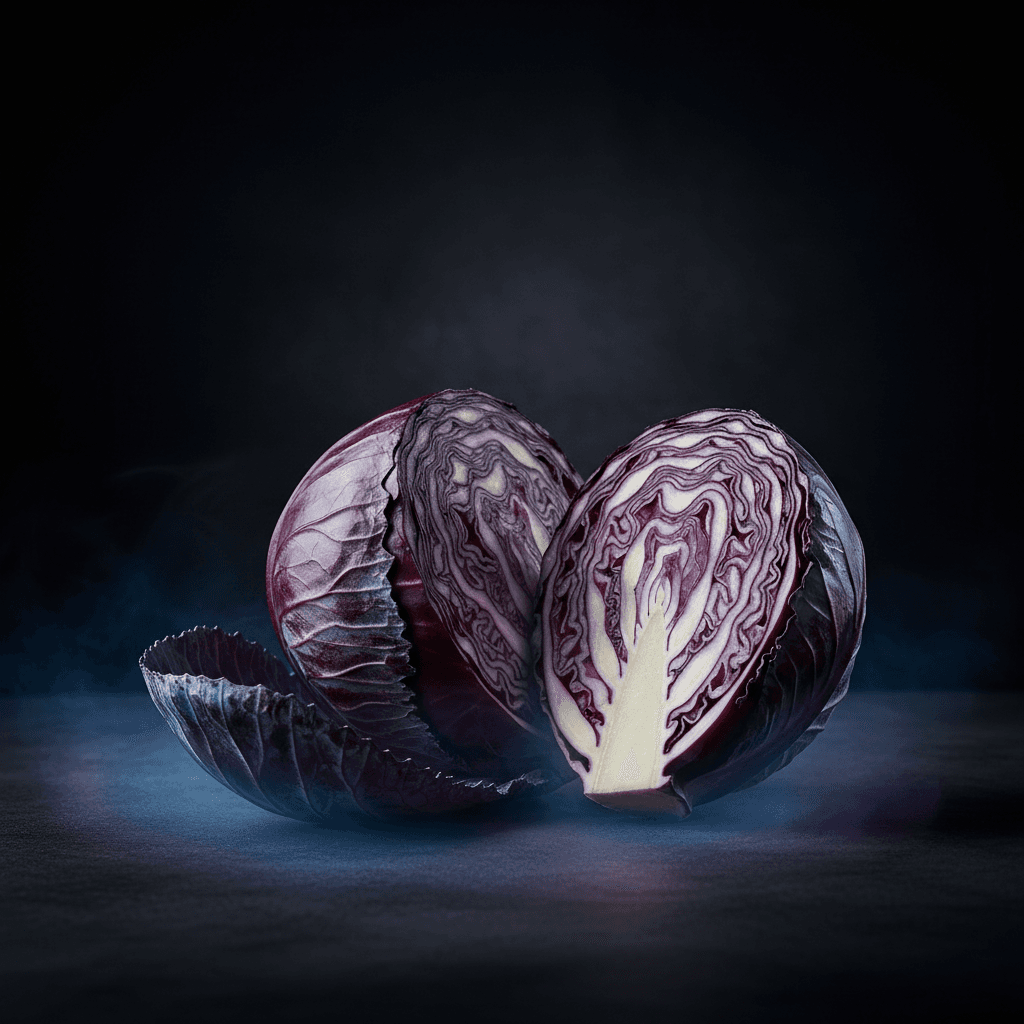
Grass-fed beef, chicken, fish, eggs and dairy are the everyday protein sources. Cabbage and beets contribute on the plant side.
Fermented foods such as sauerkraut, kimchi and miso support the gut ecology that determines how much repair is needed in the first place.
Supplement forms and doses
L-glutamine powder at 5 to 10 g daily, split between morning and evening on an empty stomach, is the usual approach for gut barrier support.
Higher intakes of 15 to 20 g daily are used during intense training blocks, illness or structured gut protocols, and are not intended as a permanent dose.
Zinc carnosine at 75 mg twice daily targets the gut lining specifically and is often paired with glutamine. Collagen peptides complement it by supplying the other amino acids involved in repair.