What this marker is
Tryptophan is an essential amino acid, so it has to come from the diet. It is the rarest of the essential amino acids in food, which is part of why its supply is more easily disrupted than most.
It has two competing fates. A small fraction goes down the serotonin pathway, producing serotonin and then melatonin. The large majority goes down the kynurenine pathway instead, which feeds into NAD production.
Which fate dominates is not fixed. Inflammation and cortisol both activate the enzyme that pushes tryptophan toward kynurenine, which is the mechanism connecting chronic inflammation to low mood through a shared substrate.
If your result is low
Below 33 umol/L indicates low circulating tryptophan. Because it feeds serotonin and melatonin, the effects reported are typically mood-related and sleep-related together.
Low protein intake is the direct cause. The indirect one matters more in practice: chronic inflammation diverts tryptophan down the kynurenine pathway, so someone with adequate intake can still have little reaching the serotonin route.
Getting tryptophan into the brain is a separate problem again. It competes with other large amino acids for the same transporter, which is why it is often eaten with carbohydrate, since insulin clears the competitors from circulation.
If your result is in range
Between 33 and 140 umol/L your tryptophan sits inside the reference range for this panel.
A result in range does not confirm that serotonin production is adequate, because the split between the two pathways is not visible in this number. Read it alongside your tryptophan to tyrosine ratio and any inflammatory markers.
If your result is high
Above 140 umol/L is uncommon and usually reflects supplementation with L-tryptophan or a very high recent protein intake.
A high result is not concerning in itself. What it does not tell you is whether the extra substrate is reaching the serotonin pathway or being consumed by kynurenine.
If you supplement tryptophan or 5-HTP and take medication affecting serotonin, that combination is worth raising with your practitioner rather than managing alone.
Why the Western lifestyle moves it
Chronic stress and low-grade inflammation are the Western factors that matter here, and they act on the pathway split rather than on intake. Both push tryptophan toward kynurenine and away from serotonin.
The practical consequence is that eating more tryptophan does less than expected when inflammation is driving the diversion. Reducing the inflammatory load changes where the tryptophan goes.
What to eat
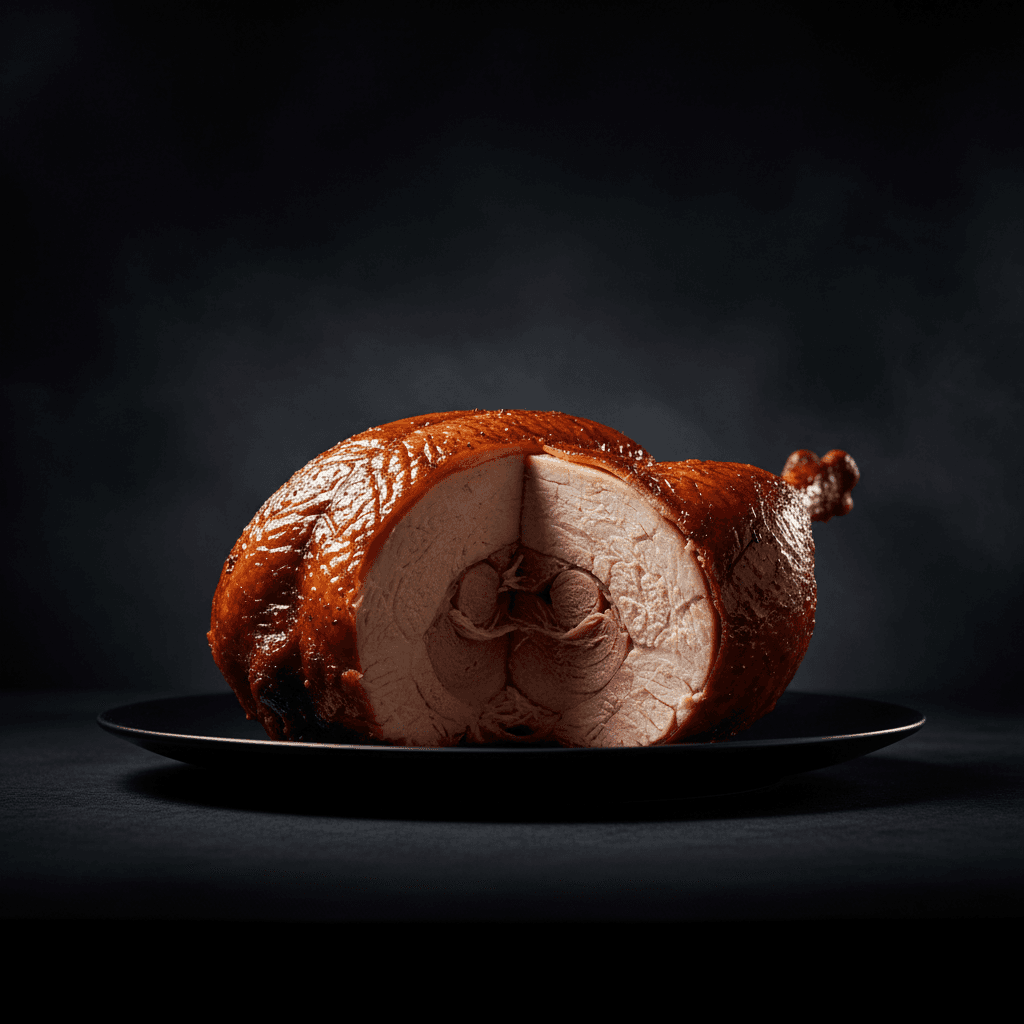
Turkey, chicken, eggs, cheese, tofu, salmon and pumpkin seeds are the reliable sources.
Pairing tryptophan-rich food with complex carbohydrate improves how much reaches the brain, by reducing competition at the transporter.
Reducing inflammatory load through whole foods addresses the diversion problem, which is often the larger of the two constraints.
Supplement forms and doses
5-HTP at 100 to 200 mg in the evening sits one step further down the pathway than tryptophan, so it bypasses the kynurenine split entirely.
Vitamin B6 in the P5P form at 25 to 50 mg is a required cofactor for the conversion to serotonin, so it is worth having in place before adding precursors.
Magnesium glycinate at 200 to 400 mg in the evening supports the same pathways. Curcumin at around 500 mg is used to reduce the inflammatory diversion. Check interactions with your practitioner if you take serotonergic medication.