Threonine is an essential amino acid the body uses to build proteins. Because the body cannot make enough to meet its needs, threonine must come from food. A blood measurement provides one piece of nutrition context, not a complete picture of health.
Threonine is an essential amino acid used to build proteins
Amino acids join to form proteins. Threonine, also called Thr or T, is essential because the body cannot produce enough of it. Digested dietary protein provides amino acids that the body uses to build and maintain its own proteins.
A review of dietary protein and amino acid requirements for healthy people at different life stages and by sex includes threonine among the indispensable amino acids (“Evaluation of dietary protein and amino acid requirements: a systematic review”, The American Journal of Clinical Nutrition, 2025). Threonine comes as part of protein in a range of foods.
Amino acids contribute to structural proteins, enzymes and other working molecules. They can also enter metabolic pathways or be broken down for energy. Blood levels reflect food intake, digestion, tissue use and metabolism.
Threonine is the amino acid itself; L-threonine supplements are separate products. A measured value alone does not show whether someone should take a supplement. Discuss supplements with a qualified healthcare professional, especially if you are considering them because of symptoms or health concerns.
Holohabits’ threonine guide explains how the site interprets this marker and why the gut’s use of threonine matters. For a broader introduction, explore the biomarker learning library.
What threonine does in the body
Threonine contributes to proteins that build and support body tissues. The Holohabits marker guide notes its role in mucin, a protein in the mucus layer that protects the gut lining. The gut uses some dietary threonine to make mucin before the rest enters circulation.
A blood measurement reflects more than food eaten at one meal. It may also reflect threonine use by the gut and other tissues, as well as how the body processes amino acids. Increased gut demand may affect circulating threonine, but a result alone cannot explain why a value is high or low.
According to the Holohabits learn page, threonine also contributes to collagen, elastin and antibodies, which are involved in the immune system. A blood value does not directly measure gut barrier function, connective tissue condition or immune performance. Many factors affect these processes.
Threonine is connected to the metabolism of other amino acids, so broader profiles and patterns can provide context. The glutamine guide covers another amino acid relevant to gut and immune cells. The branched-chain amino acid guide covers leucine, isoleucine and valine, a separate group involved in protein metabolism.
Dietary supply, digestion, tissue demand and amino acid metabolism all affect what appears in a blood sample. Threonine’s general biological roles cannot establish individual status or explain symptoms.
Foods that provide threonine
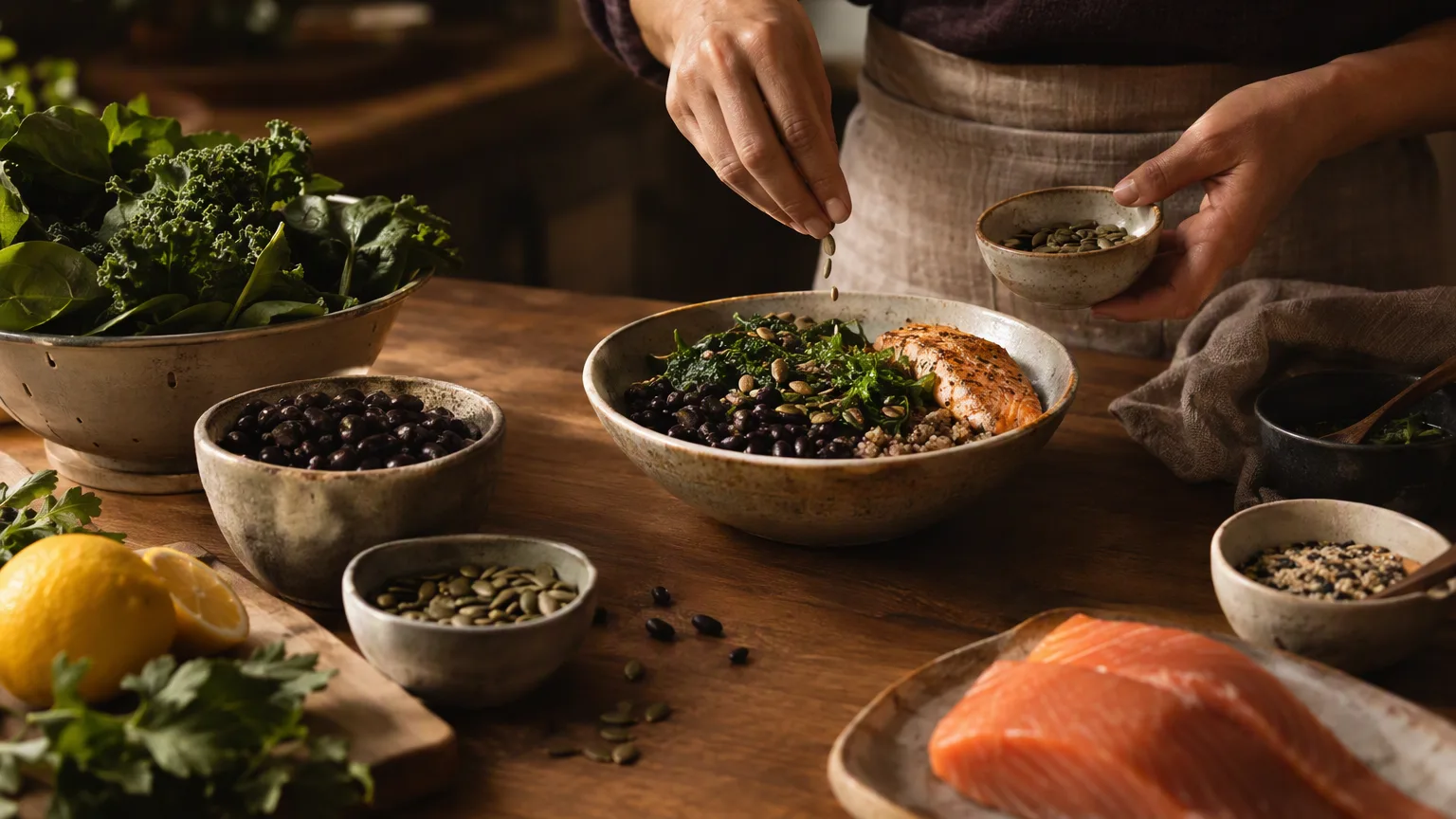
Threonine is found in protein-containing foods, including eggs, dairy, fish, poultry and meat, as well as beans, lentils, peas, soy foods, nuts, seeds and grains. The amount depends on the food and portion; no single food is the only source.
Eating a variety of protein foods can provide a range of amino acids. People who eat mostly or entirely plant foods can get threonine from combinations of legumes, soy foods, nuts, seeds and grains. Food preferences, cultural traditions, allergies, access and appetite affect what is realistic.
Protein quality is sometimes discussed in terms of the mix of indispensable amino acids in a food or eating pattern. This does not mean every meal needs a particular ingredient. A review of dietary protein and amino acid requirements assesses evidence for healthy populations and life stages, rather than providing personal meal prescriptions (“Evaluation of dietary protein and amino acid requirements: a systematic review”, The American Journal of Clinical Nutrition, 2025).
Collagen-rich foods and products contain amino acids, but that does not establish a need for them when a result falls outside a reference interval or show that a particular supplement will address the cause. Discuss supplements with a qualified healthcare professional, especially if you have symptoms, a restricted diet or a health condition.
A practical food review can ask whether protein foods are included regularly, whether restrictions limit variety, whether appetite or intake has changed, and whether meals rely on a narrow range. These questions inform a nutrition discussion but do not replace a full assessment of health concerns.
For an overview of the amino acid, see What Is L-Threonine? A Simple Guide. This educational article cannot determine deficiency or supplement need.

Illustration: Threonine comes from dietary protein; a measured value is one piece of nutrition context, not a standalone verdict.
How Holohabits measures threonine
Holohabits Nutrition OS is an at-home finger-prick test with practitioner-led interpretation and an app. Its panel has 40 markers: 29 whole-blood biomarkers, 7 calculated ratios and 4 intracellular values, which require the optional Longevity Panel. Threonine is listed as an amino acid marker on the Holohabits site.
The kit includes prepaid return, four PDF reports covering biomarkers and the Western Lifestyle Index, AI analysis, a meal plan and a supplement plan, food recommendations, a 30-minute Zoom consultation, access to dynamic AI-based reporting tools, and the Holohabits app with results and an AI nutrition coach. Practitioners review results in the HOLOBIONT Practitioner workspace and deliver reports to clients.
The app displays results and includes HOLOBIONT, an AI nutrition coach for exploring food choices and result-related questions. Its guidance covers wellness and nutrition and is not medical advice. Discuss health concerns with a qualified healthcare professional.
To see how threonine sits alongside the rest of the panel, view the Holohabits Nutrition OS test kit. A practitioner can explain the report and discuss how its information relates to food and everyday context.
What a measured threonine value can suggest
A measured threonine value describes the amount found in the tested sample. On the Holohabits learn page, values below 70 umol/L are low for that panel, values from 70 to 360 umol/L are within its reference range, and values above 360 umol/L are above range. These are panel reference points, not universal cut-offs.
A low value may prompt questions about dietary protein, food variety, digestion and gut demand. The Holohabits guide says low intake or higher use by the gut could explain a low circulating value, but the number alone cannot distinguish between them or prove a cause.
A value within range falls within the panel’s interval but does not show that nutrition or health is optimal. A high value may be considered alongside recent protein intake, supplement use and the rest of the profile. The guide says amino acid handling may also be considered alongside liver and kidney function where relevant. Discuss organ-function concerns with a qualified healthcare professional.
Reference intervals depend on the testing method and the population or framework used. Avoid casual comparisons between results from different laboratories or panels. If a result surprises you, check how it was measured, review the report notes and discuss it with the practitioner before making major diet or supplement changes.
Threonine is one part of an amino acid profile. Related markers, food patterns and personal context may suggest questions to explore, but they do not establish a medical explanation.
What a threonine result cannot tell you
A threonine result cannot identify a deficiency or disease, explain symptoms, or show how much threonine a person eats, absorbs or uses. It measures one sample and cannot explain why the value falls within a particular part of the panel’s range.
It also cannot directly show the condition of the gut lining, immune function or connective tissue. Although threonine contributes to proteins involved in these systems, many biological processes, dietary factors and individual circumstances affect health.
A result cannot determine whether someone needs a threonine supplement, collagen product or dietary change. These may not address the reason for the result or suit everyone. Consult a qualified healthcare professional about supplements, especially if you take medicines or manage a health condition.
Holohabits provides wellness and nutrition information, not healthcare. Discuss persistent symptoms, significant health changes or concerns about an underlying condition with a qualified healthcare professional. A nutrition test can inform a conversation about food and measured markers, but cannot replace appropriate healthcare.
How to put an amino acid result in context
Read the result using the laboratory’s units, reference interval and report notes. Check whether it falls below, within or above the panel range without treating that category as a health conclusion. Consider recent food patterns, appetite changes, dietary restrictions, protein sources, supplements and sample timing.
Look at the wider amino acid pattern. Holohabits identifies glutamine and proline as relevant to gut-related context, so threonine may be considered alongside them. Other amino acids, including branched-chain amino acids, offer different information. This pattern can frame questions for a practitioner but does not replace an assessment.
The measured value is known; its cause may not be. A practitioner can explain what the panel measures and discuss food choices in light of your results and preferences. For symptoms or possible illness, consult a qualified healthcare professional about appropriate evaluation.
Avoid making several changes at once, such as altering food intake and adding supplements, because it can be hard to tell what matters. A practitioner can organise nutrition questions and discuss practical next steps within a wellness and nutrition service.
The app and its AI nutrition coach offer informational guidance for exploring results and food choices. Use that guidance as a starting point for discussion, not a replacement for professional assessment.
Questions to bring to your practitioner
Ask: What reference interval does this report use? What does the value mean within the panel? Is it useful to review threonine alongside other amino acid markers? These questions help separate the measurement from assumptions about its cause.
Discuss whether your eating pattern includes varied protein foods, how preferences or restrictions affect your choices, and what fits your routine. If you are considering supplements, ask why and whether a qualified healthcare professional should be involved.
If the result is outside the panel range, ask what the report can and cannot say. Discuss health concerns or symptoms with a qualified healthcare professional, not through the nutrition result alone.
Frequently asked questions
What is threonine used for in the body?
Threonine is an essential amino acid used to build proteins, including gut mucus mucin, collagen, elastin and antibodies.
Which foods contain threonine?
Eggs, dairy, fish, poultry, meat, beans, lentils, soy foods, nuts, seeds and grains contain threonine. A varied eating pattern offers different sources.
Can a threonine test identify a deficiency?
No. A result provides nutrition context but cannot identify a deficiency or explain its cause.
What does a threonine blood result mean?
It shows the amount measured in the sample against the panel’s reference interval. It does not establish dietary intake, gut demand or a medical condition, so discuss it with a practitioner.
Sources
- “Evaluation of dietary protein and amino acid requirements: a systematic review”, The American Journal of Clinical Nutrition, 2025.
- “Role of the EPA: DHA dosing ratio in omega-3 supplements on blood fatty acid profiles and inflammation: a systematic review and meta-analysis”, Critical Reviews in Food Science and Nutrition, 2026.