What this marker is
The kit measures selenium in whole blood, against a range of 0.57 to 1.2 ug/gHb. Add the Longevity Panel and the same sample is read again inside red blood cells, against 0.75 to 1.7 ug/gHb. The red cell figure reflects longer-term status, because the cells carrying it live around 120 days. Check which one your report quotes before comparing the number to anything.
It works as part of selenoproteins rather than on its own. The most important are glutathione peroxidase, which is central to the body's antioxidant defence, and the deiodinase enzymes that convert thyroid hormone T4 into the active form T3. A selenium shortfall therefore shows up as a thyroid conversion problem as readily as an antioxidant one.
Selenium has a narrower window between too little and too much than most minerals, which is the reason the upper limit deserves as much attention as the lower one.
If your result is low
Below 0.57 ug/gHb in whole blood, or below 0.75 ug/gHb in red cells, indicates insufficiency. Effects associated with low selenium include impaired thyroid hormone conversion, reduced antioxidant capacity and altered immune response.
Geography is the dominant factor. Selenium enters the food chain from soil, and soil content varies enormously by region. Parts of northern Europe, including Finland, have historically low soil selenium, which is why some countries fortify fertiliser.
Processed food intake compounds it, since refining removes selenium along with other trace minerals.
If your result is in range
Between 0.57 and 1.2 ug/gHb in whole blood, or 0.75 to 1.7 ug/gHb in red cells, your selenium sits inside the reference range for this panel.
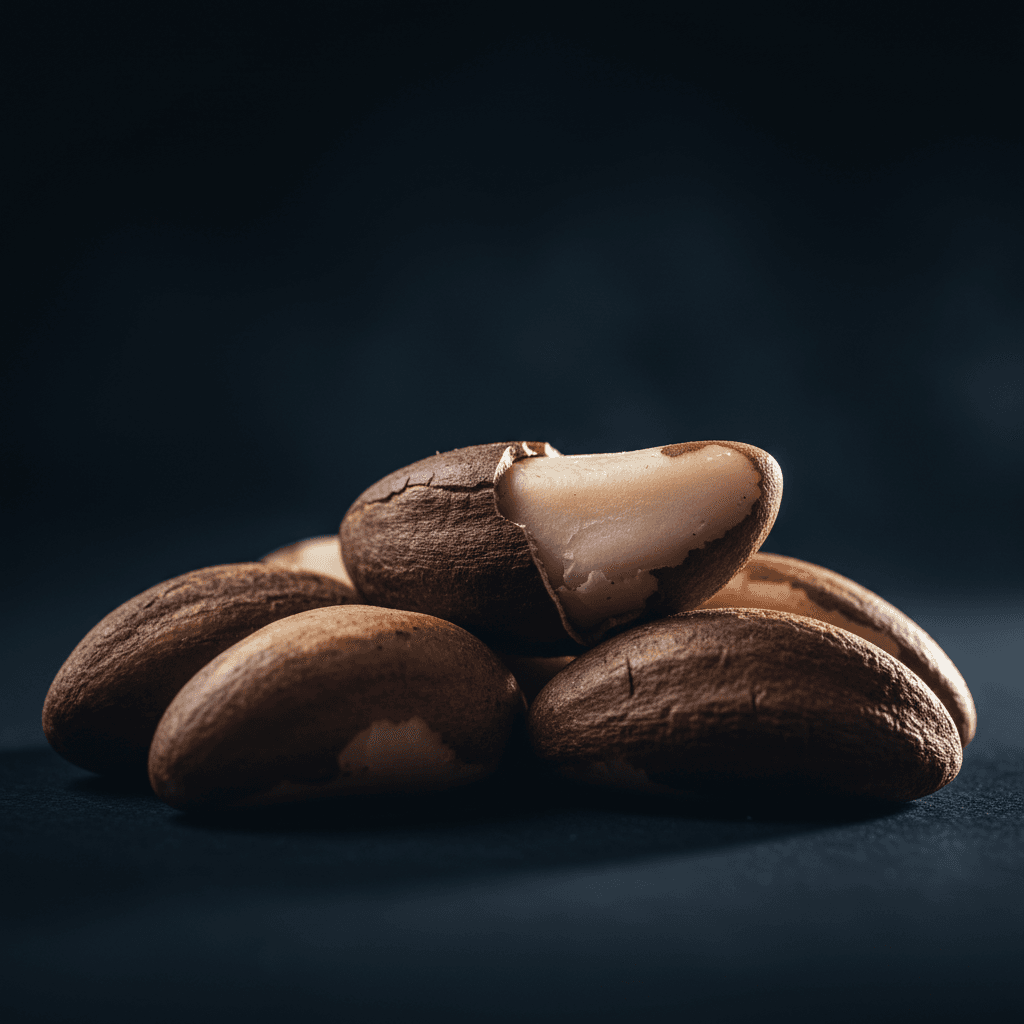
If you eat Brazil nuts regularly, a result in range may depend entirely on that habit. Their selenium content varies by an order of magnitude depending on where they were grown, so consistency of source matters more than count.
If your result is high
Above 1.2 ug/gHb in whole blood, or above 1.7 ug/gHb in red cells, is worth taking seriously, because selenium has a genuinely narrow therapeutic window.
Sustained excess is associated with brittle hair and nails, a garlic-like breath odour, digestive upset and, at higher exposures, neurological effects.
The usual cause is supplementation stacked on top of a diet that already supplies enough, or a daily Brazil nut habit with unusually selenium-rich nuts. Total intake from all sources should stay below 400 mcg daily. Review a high result with your practitioner.
Why the Western lifestyle moves it
Soil depletion under intensive agriculture has lowered the selenium content of crops, and food processing removes more of what remains.
The result is a mineral where regional soil chemistry, rather than dietary choice, is often the main determinant of status. Two people eating identically in different countries can land in different bands.
What to eat
Two to three Brazil nuts daily is the densest natural source, with the caveat that content varies widely by origin.
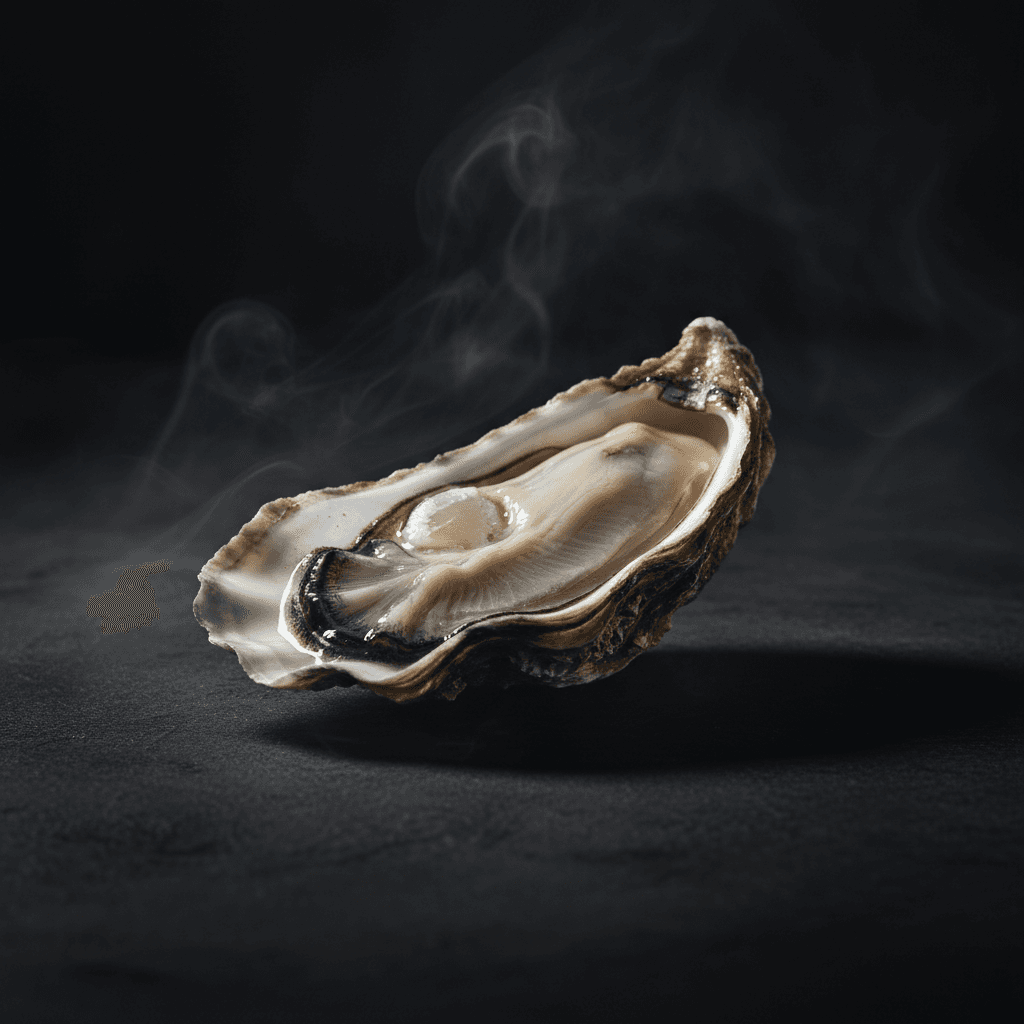
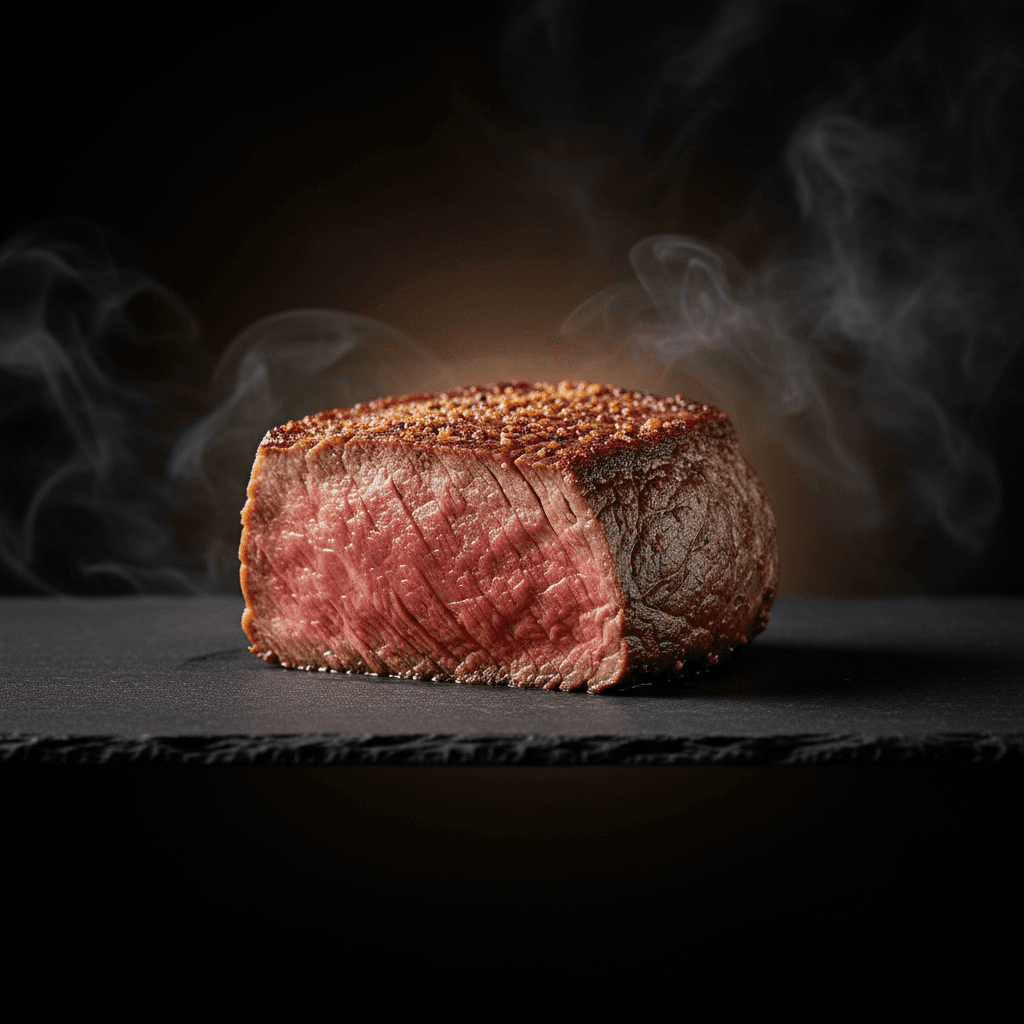
Wild-caught fish, shellfish, grass-fed meats, pastured eggs and sunflower seeds all contribute. Organ meats, particularly kidney and liver, are strong sources.
Because soil quality varies by region, diversifying where your food comes from does more for selenium than concentrating on a single food.
Supplement forms and doses
Selenomethionine at 100 to 200 mcg daily is the most bioavailable supplemental form. Selenium glycinate is another well-absorbed option.
Do not exceed 400 mcg daily from all sources combined, including food. This is the mineral where the ceiling matters most.
Vitamin E works alongside selenium in antioxidant defence, which is why the two are often paired.